- SCORM
- eLearning
- SvelteKit
Dynamically Building and Packaging SCORM Courses with Modern Frontend Frameworks
SCORM has been a foundational eLearning standard since the late 1990s. This blog explores how to dynamically build and package SCORM courses with SvelteKit, Next.js and Nuxt.js.
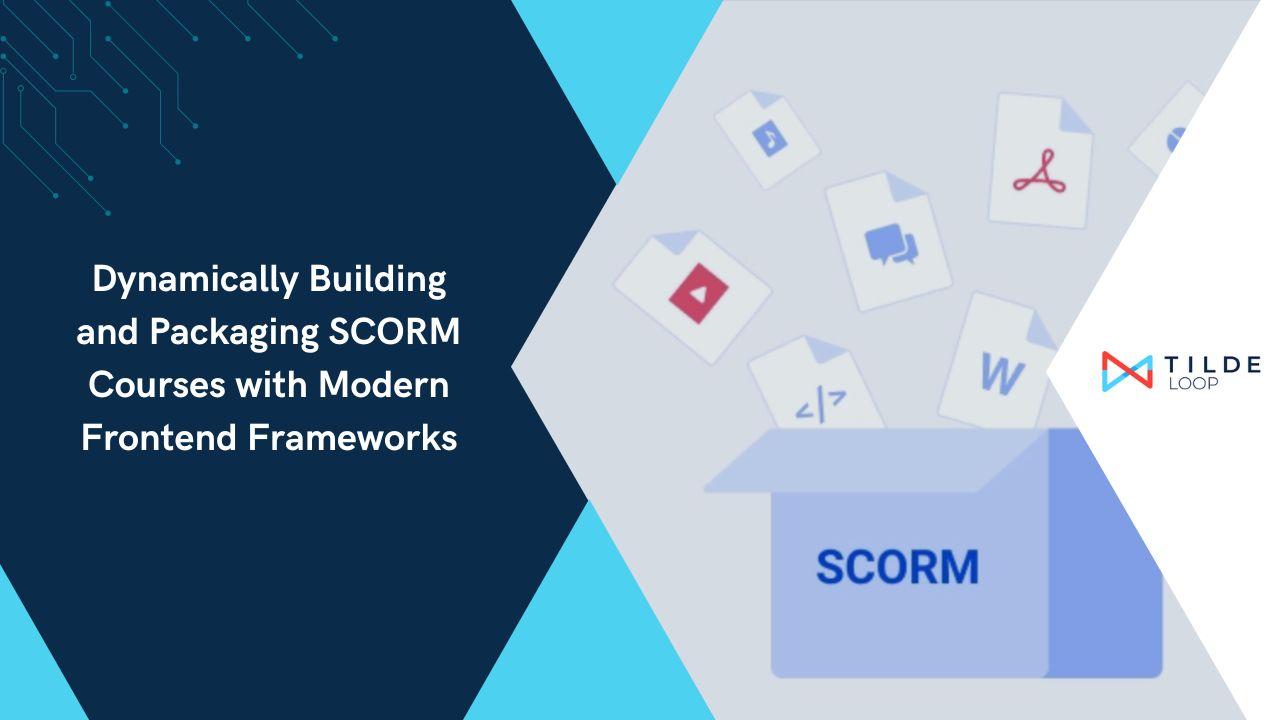
SCORM (Sharable Content Object Reference Model) has been a foundational standard in eLearning since the late 1990s. It enables the sharing of learning content across different Learning Management Systems (LMS), allowing organizations to track learner progress and performance. Though SCORM has faced criticism for its limitations, it remains a core element of corporate eLearning.
This blog will explore how you can dynamically build and package SCORM courses using modern frontend frameworks like SvelteKit, Next.js, and Nuxt.js. We’ll dive into the practicalities of using SCORM with these frameworks and discuss the pros and cons of SCORM itself.
Why is SCORM Still Relevant?
Despite being over 20 years old, SCORM remains a key standard for eLearning content. Today, many organizations still use SCORM-compliant systems, making it hard to switch.
But SCORM has its drawbacks. One major issue is its lack of mobile support. Additionally, SCORM limits interactive and collaborative learning, which are critical for modern learners. Still, SCORM continues to be widely used because it solves a key problem: tracking learner progress across platforms.
The SCORM API: Pros and Cons
The SCORM API is a set of JavaScript functions that allows content to communicate with an LMS. It tracks essential data like learner completion, scores, and progress. Despite being useful, it also has limitations.
Pros of SCORM API:
- Interoperability: SCORM works across multiple LMS platforms, allowing content to be reused and shared.
- Tracking Capabilities: It provides data on learner progress and performance, making it easier to measure success.
- Standardization: SCORM ensures consistency between different authoring tools and LMS platforms.
Cons of SCORM API:
- Limited Data: SCORM only tracks basic information like completion and scores, lacking deeper analytics.
- Mobile Challenges: SCORM is not optimized for mobile learning, which is a major drawback in today’s mobile-first world.
- Buggy and Costly: Importing and exporting SCORM content can be unreliable, and it’s often expensive to maintain.
Modern Frontend Frameworks for SCORM
Frameworks like SvelteKit, Next.js, and Nuxt.js offer dynamic content generation and performance improvements. These frameworks allow developers to create SCORM-compliant courses while benefiting from modern web development features.
SvelteKit:
SvelteKit is lightweight, reactive, and offers great performance. It allows developers to build dynamic web applications that work well in eLearning environments. By using its routing and server-side rendering, you can dynamically generate SCORM-compatible content.
Next.js:
Next.js is a popular React framework that supports server-side rendering and static site generation. It is well-suited for large-scale applications. This makes it an excellent choice for generating eLearning courses on the fly. With its built-in APIs, Next.js can handle dynamic content generation efficiently.
Nuxt.js:
Nuxt.js is a Vue-based framework known for its flexibility and ease of use. With server-side rendering capabilities, it allows for faster page loads and improved user experience. For SCORM content, Nuxt.js provides a seamless way to generate and package dynamic learning modules.
Dynamic Content Creation for SCORM
One of the key advantages of using modern frontend frameworks is the ability to dynamically generate content. With frameworks like SvelteKit, Next.js, and Nuxt.js, you can create responsive, interactive SCORM courses tailored to individual learners. This offers a more personalized learning experience, which traditional SCORM implementations struggle to provide.
For example, you can fetch course content from APIs or databases and package it into a SCORM-compliant format. This approach provides flexibility and allows for content updates without rebuilding the entire course.
Packaging SCORM Content
Once the course content is dynamically generated, it needs to be packaged in a SCORM-compliant format for LMS delivery. This involves creating an imsmanifest.xml file, which outlines the course structure. The content is then zipped into a SCORM package and uploaded to the LMS. Tools like scorm-packager can help automate this process, streamlining the packaging and deployment workflow.
SCORM in Modern eLearning
While SCORM may feel outdated, it’s still widely used because it solves a core problem: tracking learner progress. For now, many organizations are sticking with SCORM despite its limitations. However, as technology and learner expectations evolve, newer standards like xAPI are gaining traction.
Modern frontend frameworks like SvelteKit, Next.js, and Nuxt.js provide an opportunity to improve how SCORM content is generated and delivered. With their dynamic content capabilities, you can build more responsive, engaging SCORM courses while working within the constraints of the SCORM standard. In the long run, this will help keep your eLearning offerings relevant and engaging.
Ultimately, while SCORM isn’t going away anytime soon, it’s essential to balance its use with more modern technologies to meet the needs of today’s learners.